Upstox Originals
Commodity exchanges: A proxy for the commodity boom?

5 min read | Updated on February 27, 2026, 12:44 IST


SUMMARY
Commodity prices, specifically bullion, shot up in 2025 due to rising geopolitical tensions. This price swing has led to record trading volumes on Indian commodity exchanges. New product launches and an increase in the number of participants have further benefited the exchanges. Looking ahead, the key question is: can this become a steady long-term opportunity, or will the natural ups and downs of commodities also make exchange revenues unpredictable?
Stock list
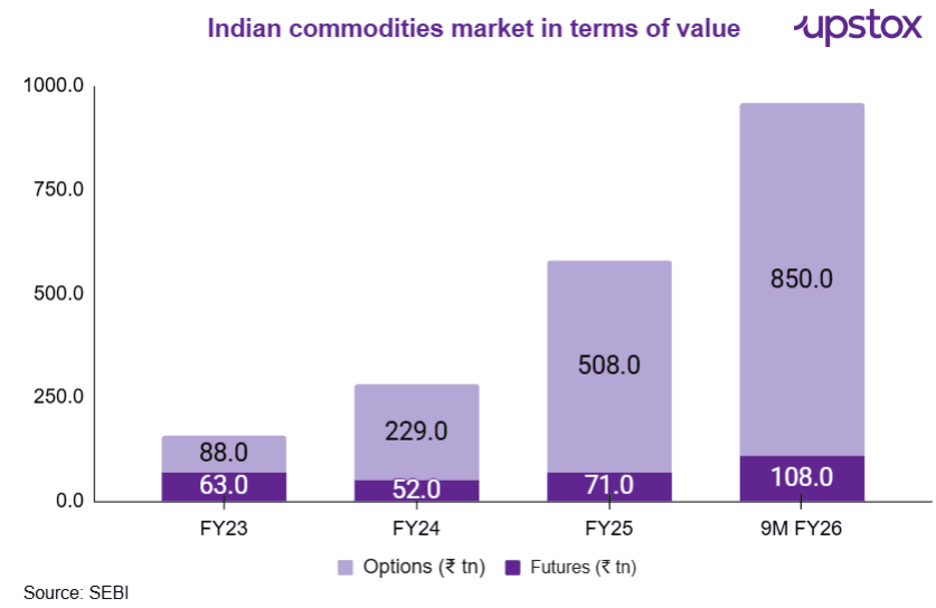
Share of options in commodity trading has has grown from 58% in FY23 to 89% in 9M-FY26
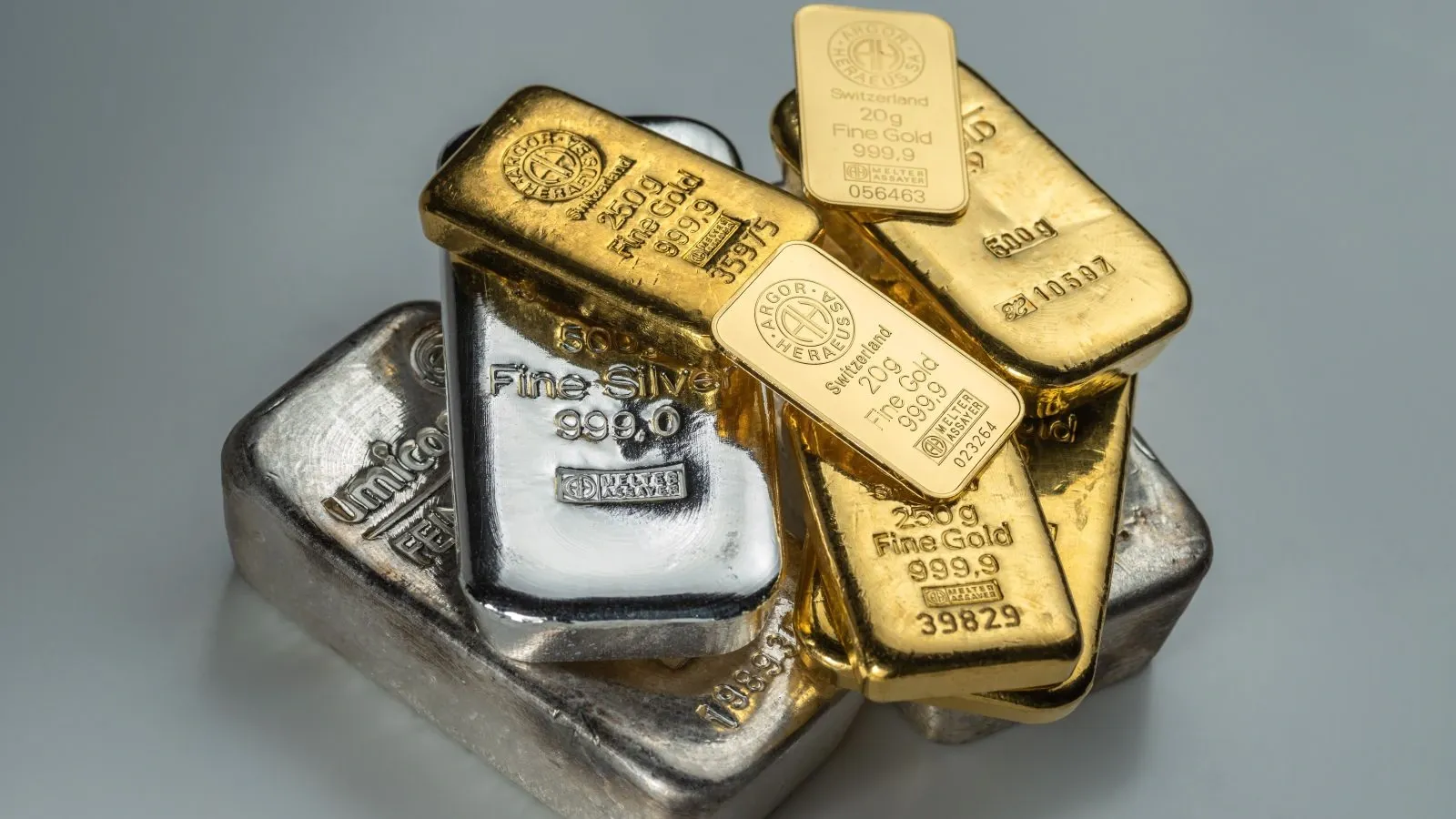
The equity and commodity markets have shown a sharp divergence not only in 2025 but also in 2026. Commodities are seeing a historic upswing, but the Nifty 50 has stayed mostly range-bound. Gold and silver have reached all-time highs due to systemic global changes, but base metals and energy continue to see sharp price fluctuations.
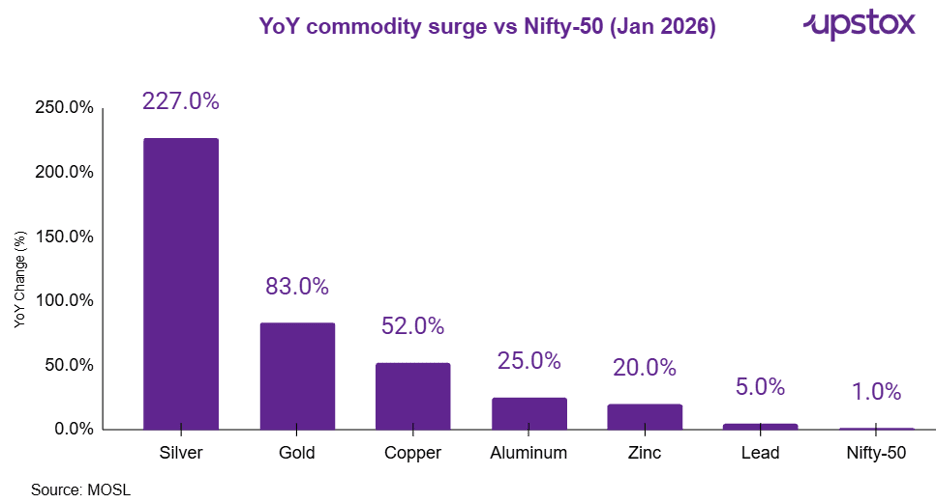
Source: MOSL; Data as of January 2026
Does this boom matter?
We need to look at the Indian commodity market in terms of value to see if this surge is important. The chart below illustrates that the value added to the commodity market (futures and options) has grown from ₹1.51 billion in FY23 to ₹9.58 billion in just 9 months of FY26, which is more than 6x the value added. In the past, the commodity market relied on futures.
The shift to options trading, which has a larger operating margin, has been the real game-changer. Its market share has grown from 58% in FY23 to 89% in 9M-FY26.
Market structure and dynamics
The market is split between 2 main leaders:
- MCX, the leader in “hard” commodities, commands a massive 98% market share for trading products such as gold, silver, and energy.
- NCDEX is the preferred platform for “soft” commodities and serves as the price benchmark for agricultural products like spices and oilseeds.
Growth opportunity left in India’s commodity exchanges?
People who invest often wonder, "If MCX is the market leader and has 98% of the market in India, where is the growth?"
The answer is to look at global benchmarks. Despite enjoying a near-monopoly in India, MCX is a mid-sized player internationally. It is currently the 10th-largest exchange in the world in terms of open interest in commodity options — indicating a large “low-penetration” growth opportunity.
Benchmarking Growth: How MCX Compares to Global Peers in Open Interest
Source: World federation of exchanges, Axis capital. *CY24 is the latest data available as of today.
MCX: A proxy play on the Indian commodity boom?
The Multi-Commodity Exchange of India (MCX) is the biggest regulated market in the country for commodity derivatives.
In the past, the exchange had a lot of business in energy contracts, with Crude Oil and Natural Gas premium making up about 85% of its options activity. But the current structural change in global markets has changed this composition in a big way.
As the commodity boom gets stronger, people are looking for alternatives. In Q3FY26, the bullion segment (gold and silver) made up 69% of the entire Average Daily Turnover (ADT). ADT itself grew by 224% year over year and 82% quarter over quarter in the third quarter of FY26.
F&O average daily turnover volumes by asset class
Source: MCX
Strategic product changes, such as the addition of monthly expiration options and smaller contracts like Gold 10g Futures, have made it easier for retail investors to get involved in this transformation.
Source: Axis Bank
How does the volatility in commodities matter for MCX? In the business of exchanges, volume is the same as volatility. When prices change quickly, two groups rush to the market: Hedgers, who want to protect from price risk, and speculators, who are hoping to make profits. In either case, an exchange can benefit
Strong volume has driven 89% earning expansion
Source: Company
Management of MCX has said that the current infrastructure can already handle 3 to 4x the current demand and wants to grow it to 10x. This means that there is still a good chance that the margins will grow even further if the commodity boom continues.
Key risks
The main dangers of investing in MCX are that it depends on how stable the market is, how stable technology is, and how strict the rules are:
-
Volatility dependency: Any exchange’s revenues are impacted by a spike in volatility. Any sustained dip, can impact turnover
-
Bullion concentration: With majority of the revenues coming from bullion, MCX is exposed to gold/silver cycles
-
Platform resilience: Any trading outage or technical glitches can dent its reputation.
-
Regulatory changes: SEBI rules on margins, risk controls can alter participation. Changes in commodity duties/taxes can also affect local price discovery and hedging flows.
-
Competitive pressure: Over time, expansion of commodity products by universal exchanges (e.g., NSE) could divert order flow and compress fees.
In sum
For investors who are not sure about how to participate in the ongoing commodity upcycle, exhcanges offer a proxy investment. With limited choices in India, MCX is one of the only plays available to investors. That said, it is vital to assess the company’s future plans, tech readiness, product launch pipeline and regulatory push before making any investment decision.
Also, it is critical to analyse that exchanges like the MCX benefit from increased volatility (spike in trading) more than they do from regular trading activities. Commodities are highly cyclical and investors should note that any dip in volatility here, could temper the underlying earnings growth of these exchanges.
By signing up you agree to Upstox’s Terms & Conditions
About The Author
Next Story