Personal Finance News
Income tax slab change 2025 recap: How you can save up to ₹1.1 lakh under the new tax regime
.png)
4 min read | Updated on December 17, 2025, 18:44 IST


SUMMARY
Income tax recap: The government not only revised slabs and rates but also increased the rebate under Section 87A to ₹60,000 for income up to ₹12 lakh while raising the basic exemption limit under the new tax regime to ₹4 lakh.
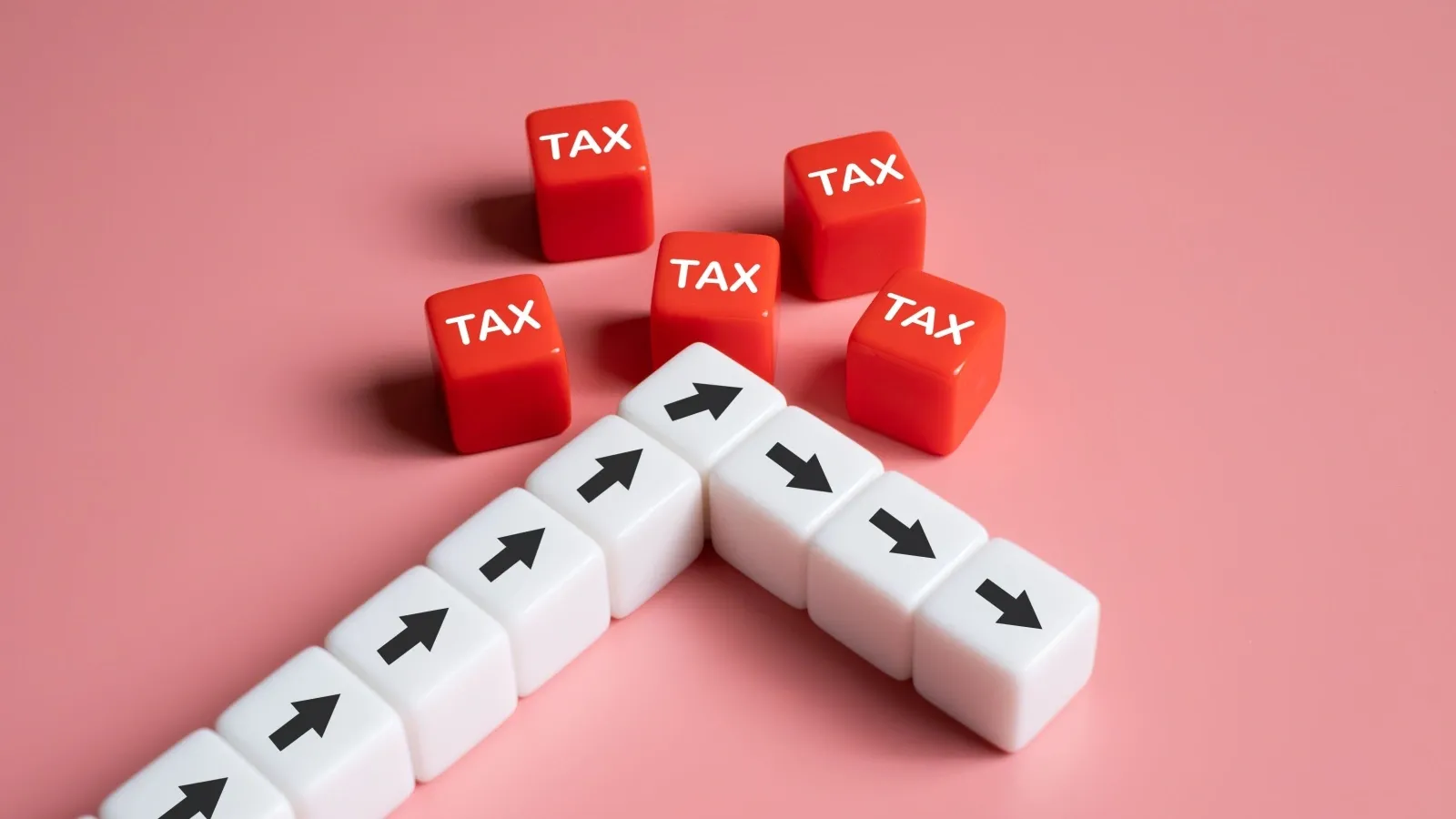
A rough calculation shared by the Finance Ministry shows even those earning higher can save significantly under the new tax regime. | Image source: Shutterstock
The year 2025 was good for taxpayers as the government revised income tax slabs and rates, making normal income up to ₹12 lakh fully tax-free under the new tax regime. While there was no change in the old tax regime rules during the year, the new regime became attractive for a very large number of taxpayers due to attractive slabs and rates.
The government also increased the rebate under Section 87A to ₹60,000 for income up to ₹12 lakh while raising the basic exemption limit under the new tax regime to ₹4 lakh.
Here are the revised tax slabs and rates under the new tax regime applicable from Assessment Year 2026-27:
| Tax slab (₹) | Rate |
|---|---|
| Up to ₹4,00,000 | Nil |
| ₹4,00,001 – ₹8,00,000 | 5% |
| ₹8,00,001 – ₹12,00,000 | 10% |
| ₹12,00,001 – ₹16,00,000 | 15% |
| ₹16,00,001 – ₹20,00,000 | 20% |
| ₹20,00,001 – ₹24,00,000 | 25% |
| Above ₹24,00,000 | 30% |
The above rates are applicable from the ongoing financial year (FY 2025-26) and will come in handy when filing returns in the new year for AY 2026-27.
How much can you save
While taxpayers earning up to ₹12 lakh from normal sources like salary, pension have to pay zero tax, a rough calculation shared by the Finance Ministry shows even those earning higher can save significantly under the new tax regime.
For instance, a taxpayer earning ₹24 lakh per annum or above can save ₹1.1 lakh due to changes in the tax slab and rates under the new tax regime.
Similarly, those earning ₹20 lakh can save ₹90,000 due to new slabs and rates. The following table shows tax savings for various income levels:
| Income (₹) | Tax on revised slabs and rate | Rebate Benefit | Tax After Rebate |
|---|---|---|---|
| 8,00,000 | 20,000 | 10,000 | 0 |
| 9,00,000 | 30,000 | 10,000 | 0 |
| 10,00,000 | 40,000 | 10,000 | 0 |
| 11,00,000 | 50,000 | 15,000 | 0 |
| 12,00,000 | 60,000 | 20,000 | 0 |
| 16,00,000 | 1,20,000 | 50,000 | 1,20,000 |
| 20,00,000 | 2,00,000 | 90,000 | 2,00,000 |
| 24,00,000 | 3,00,000 | 1,10,000 | 3,00,000 |
| 50,00,000 | 10,80,000 | 1,10,000 | 10,80,000 |
The new income tax regime is the default tax regime since Budget 2023-24. However, taxpayers have the option to avail the benefit of the old tax regime.
Under the old regime, taxpayers can claim various exemptions and deductions, but the tax rates are high. The tax rates under the new tax regime are comparatively lower than the tax rates in old regime for the respective income slabs.
Section 87A change in 2025
In the Budget 2023-24, the income tax rebate limit was made applicable in the new tax regime, allowing resident individuals with total income up to ₹7 lakh to pay zero tax. Union Budget 2025-26 further increased the rebate for the resident individual under the new tax regime so that they do not pay tax if their total income is up to ₹12 lakh (other than the special rate income).
"By increasing this limit to ₹12 lakh, around one crore taxpayers who were earlier required to pay tax varying from ₹.20,000 to ₹80,000 are now paying 'Nil' tax, This limit is ₹12.75 lakh for salaried taxpayers, due to standard deduction of ₹75,000. Marginal relief as provided earlier under the new tax regime is also applicable for income marginally higher than ₹12 lakh," Finance Minister said in reply to a written query in the Lok Sabha on December 8, 2025.
Related News

By signing up you agree to Upstox’s Terms & Conditions
About The Author
Next Story