Personal Finance News
What happens when credit card spending draws income tax attention

5 min read | Updated on January 22, 2026, 16:58 IST


SUMMARY
Banks and credit card companies are mandatorily required to report credit card transactions exceeding ₹10 lakh in a financial year to the Income Tax Department through the Statement of Financial Transactions (SFT). Cardholders who cross this limit come under the IT department’s radar.

The IT department issues notices related to credit card transactions generally under Section 142 (1) of the Income Tax Act, 1961.
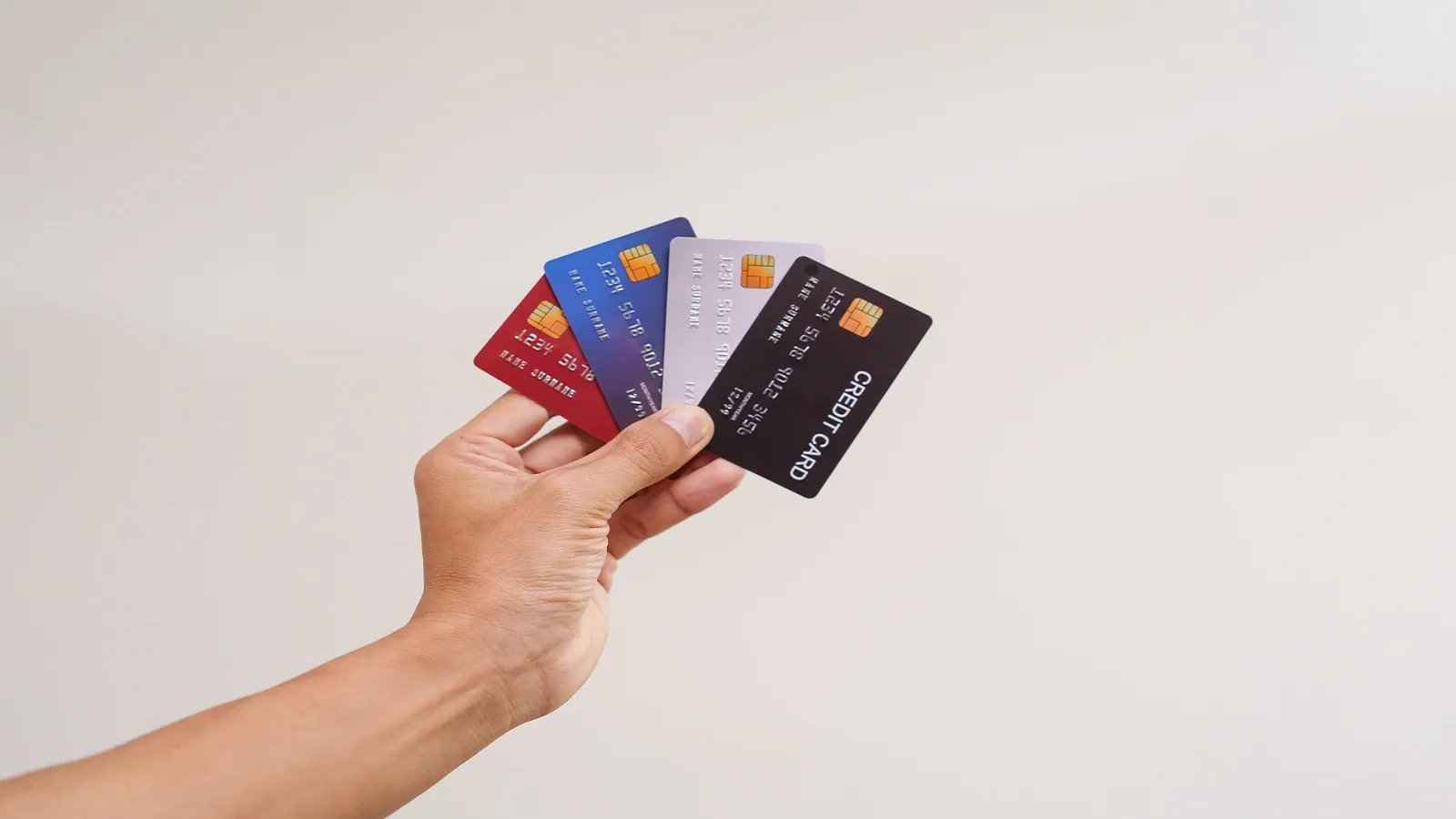
Credit cards have become a routine part of everyday spending, but few people realise that large or irregular card transactions can attract the attention of the income tax department.
When credit card expenses appear significantly higher than the income reported in tax returns, they may be flagged for review. Such scrutiny often arises from high-value spending, frequent card usage by friends or family, or transactions that do not align with a taxpayer’s declared earnings.
While people generally use credit cards to optimise their spending with flexibility and earn reward points, they don’t always understand the consequences of using them disproportionately and trying to earn higher points by lending cards to friends and family.
This is called money rotation, when individuals allow their friends and family to use their card to make transactions, which are reimbursed later through other channels. However, this ultimately increases the cardholder’s credit utilisation ratio and leads to disproportionate spending on their name when compared to their income.
“Income Tax notices are generally issued when credit card spending appears disproportionately high compared to the income declared in the Income Tax Return (ITR). In many cases, taxpayers allow close relatives or friends to use their credit cards. Although these amounts may later be reimbursed through banking channels, the overall expenditure continues to reflect in the cardholder’s name, making the spending appear inconsistent with the reported income,” said Chandni Anandan, tax expert at ClearTax.
Banks and credit card companies are mandatorily required to report credit card transactions exceeding ₹10 lakh in a financial year to the Income Tax Department through the Statement of Financial Transactions (SFT). Cardholders who cross this limit come under the IT department’s radar.
“Cardholders crossing this threshold often come under the department’s radar, and even small inconsistencies between declared income and expenditure may be flagged for further scrutiny. In essence, when credit card expenses are significantly high and do not align with the income earned, notices are likely to be issued,” Anandan said.
Which sections are the notices issued under?
The IT department issues notices related to credit card transactions generally under Section 142(1) of the Income Tax Act, 1961. This section deals with inquiries that are conducted before assessment proceedings begin.
Through a notice under Section 142(1), the IT department can seek clarifications, explanations or documents relating to the transactions that triggered the notice. If detailed scrutiny is needed, it can issue a notice under Section 142(2) of the Income Tax Act, 1961.
“Additionally, the department may obtain transaction details directly from banks or credit card issuers by issuing a notice under Section 133(6). Such notices are addressed to the financial institution, and the taxpayer is not required to respond in these cases,” Anandan said.
What can taxpayers do?
To reply to these notices, individuals must maintain proper documentation for their transactions. Further, taxpayers should ensure that they have accurately disclosed all their income sources.
“Upon receiving a notice, credit card expenses can be justified by submitting documentary evidence that clearly demonstrates a correlation between the declared income and the expenditure incurred. Especially when your close friends and trusted relatives use the credit card and reimburse the expenses, clear banking trails proving receipt of money from them are crucial,” Anandan clarified.
If you lend your cards to friends and family, and make transactions that are disproportionate to your reported income, here are the steps you can take:
-
Collect supporting documents, including bank statements, reimbursement proofs and receipts related to the expenses and keep them handy, as the IT department can ask for them.
-
When replying to the notice and providing justification, clearly highlight who used the credit card and how the money was reimbursed (the channel through which it came back).
-
To maintain a clear trail, ensure that reimbursements from friends or relatives are reflected in your bank account with identifiable transaction details.
-
If needed, get written confirmations from the individuals who used the card, stating that the expenses were reimbursed.
-
For future purposes, ensure that you limit card usage by others to avoid receiving tax notices.
Remember that if the IT department is not satisfied with your justification or finds that you used the card to artificially rack up reward points (manufactured spending), it may classify the unexplained credit card spending as income under Section 69C (unexplained expenditure) or Section 68.
It may then be added to your taxable income, followed by additional tax liability, interest and penalties. In cases of detailed scrutiny, all your transactions can be tracked to find discrepancies. In extreme cases, card issuers can block your cards as well.
While it’s not illegal to use credit cards or occasionally lend them to your friends or family, doing it often just to earn more reward points can trigger tax notices and may even result in huge penalties. Taxpayers should use credit cards wisely and take care of their credit utilisation ratio, spending limits and declared income to avoid trouble later.
Related News
By signing up you agree to Upstox’s Terms & Conditions
About The Author
Next Story