Personal Finance News
8th Pay Commission: Dearness Allowance calculation under 5th, 6th and 7th CPCs explained
.png)
3 min read | Updated on January 08, 2026, 18:38 IST


SUMMARY
As central government employees are expecting another DA hike with effect from January 1, 2026, and the 8th Central Pay Commission (CPC) has also started its work, this article looks back at what the previous pay commissions said about DA calculation.

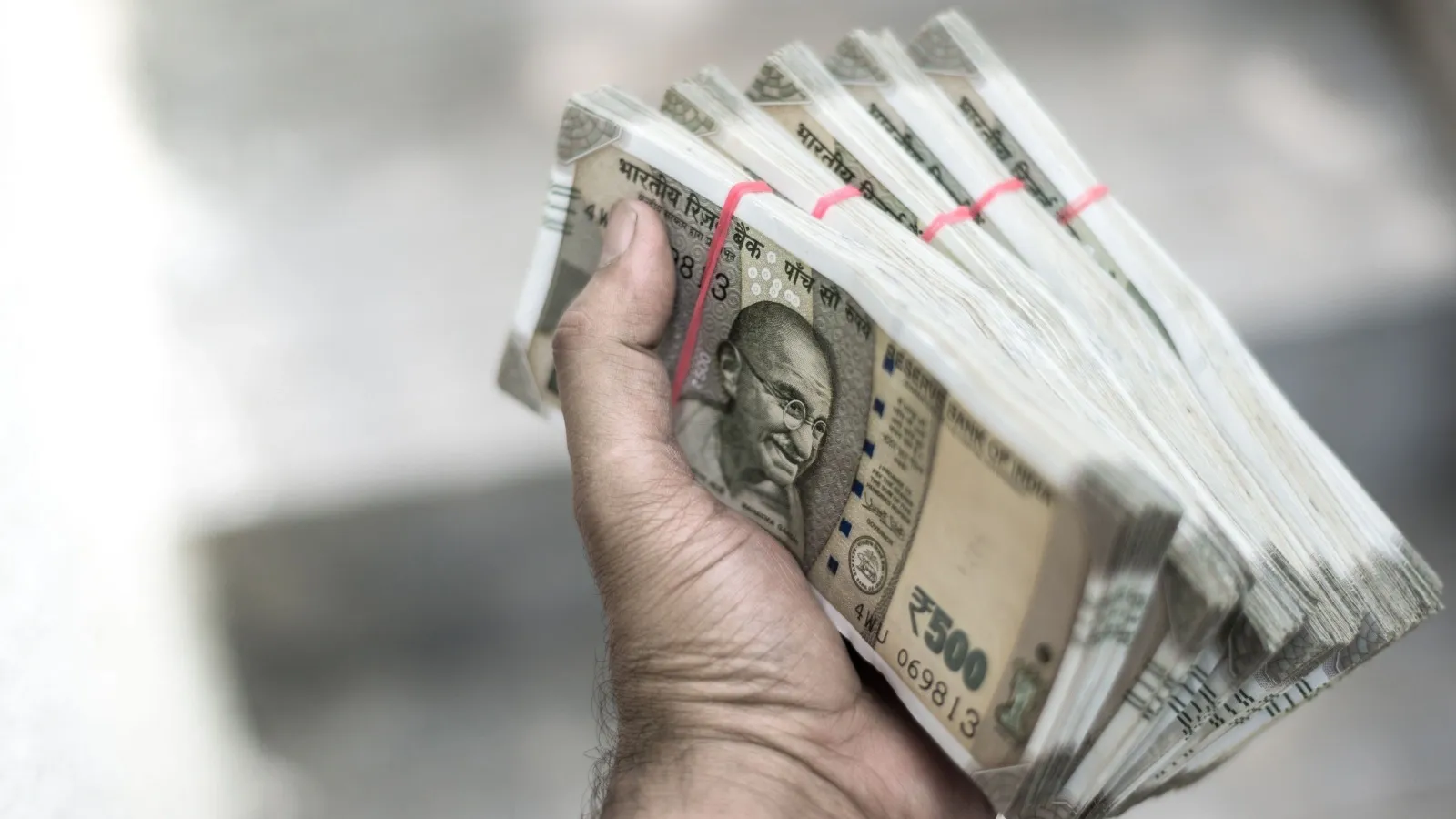
6th CPC recommended that the AICPI (IW) with base 2001 may be used. | Image source: Shutterstock
Central government employees receive dearness allowance (DA) from the government as part of their salary. The DA is a fixed percentage of the basic salary, and it is hiked twice in a year by the government to adjust the impact of inflation on employee's salary.
Currently, the rate of DA hike is calculated based on the last six months' AICPI-IW data as per the recommendations of the 7th Pay Commission.
As central government employees are expecting another DA hike with effect from January 1, 2026, and the 8th Central Pay Commission (CPC) has also started its work, this article looks back at what the previous pay commissions said about DA calculation.
What the 7th CPC said about DA calculation
Ahead of the 7th CPC report, the JCM-Staff Side had suggested continuing with the then-existing formula for DA calculation. Accordingly, the 7th CPC decided not to make any change to the DA calculation methodology.
"Keeping in mind that the present formulation of DA has worked well over the years, and there are no demands for its alteration, the Commission recommends continuance of the existing formula and methodology for calculating the Dearness Allowance," the 7th CPC said.
What the 5th and 6th CPCs said about DA calculation
The 6th CPC said, "DA may continue to be sanctioned twice a year as on 1st January and 1st July payable with the salary of March and September respectively for administrative convenience with inflation neutralization being maintained at 100% at all levels."
(12 Monthly Average-306.33/306.33)*100 = percentage increase in prices(ignoring fractions and inflation neutralization at 100% at all levels)
The above was calculated in terms of the percentage increase in 12 monthly average of AICPI (base 1982) over the average index of 306.33, which was the reference base for the existing scales of pay recommended by the 5th Central Pay Commission.
However, the 5th Pay Commission recommended that DA should be converted into DP each time the CPI increased by 50% over the base index. The Government merged 50% of DA with the basic pay w.e.f. 1-4-2004.
{(12 Monthly Average-306.33)/306.33)*100}-50 = percentage increase in 306.33 prices ( ignoring fractions and inflation neutralization at 100% at all levels
The 6th CPC recommended that the AICPI (IW) with base 2001 may be used for the purpose of calculating DA till it gets revised. It also said that the base year should be revised as frequently as feasible.
However, the 6th CPC did not recommend merger of DA with basic pay at any stage.
Ahead of the 6th CPC report, employees demanded the revision of DA once in three months. They wanted that the principle laid down by the 5th CPC for the merger of 50% of DA with the Basic Pay as Dearness Pay (DP) should be modified to 25% to remove distortions in the pay structures. However, the 5th CPC recommendation on DP wasn't approved.
The 6th CPC recommended that the National Statistical Commission may be asked to explore the possibility of a specific survey covering government employees exclusively, to construct a consumption basket representative of government employees, and formulate a separate index. This was, however, not done till the 7th CPC.
Related News
By signing up you agree to Upstox’s Terms & Conditions

About The Author
Next Story