Market News
Reserve Bank of India cuts repo rate for fourth time in 2025: 10 key takeaways from December MPC meeting

4 min read | Updated on December 05, 2025, 11:12 IST


SUMMARY
RBI said the real gross domestic product (GDP) registered a six-quarter high growth of 8.2% in Q2 FY26, underpinned by resilient domestic demand amidst global trade and policy uncertainties
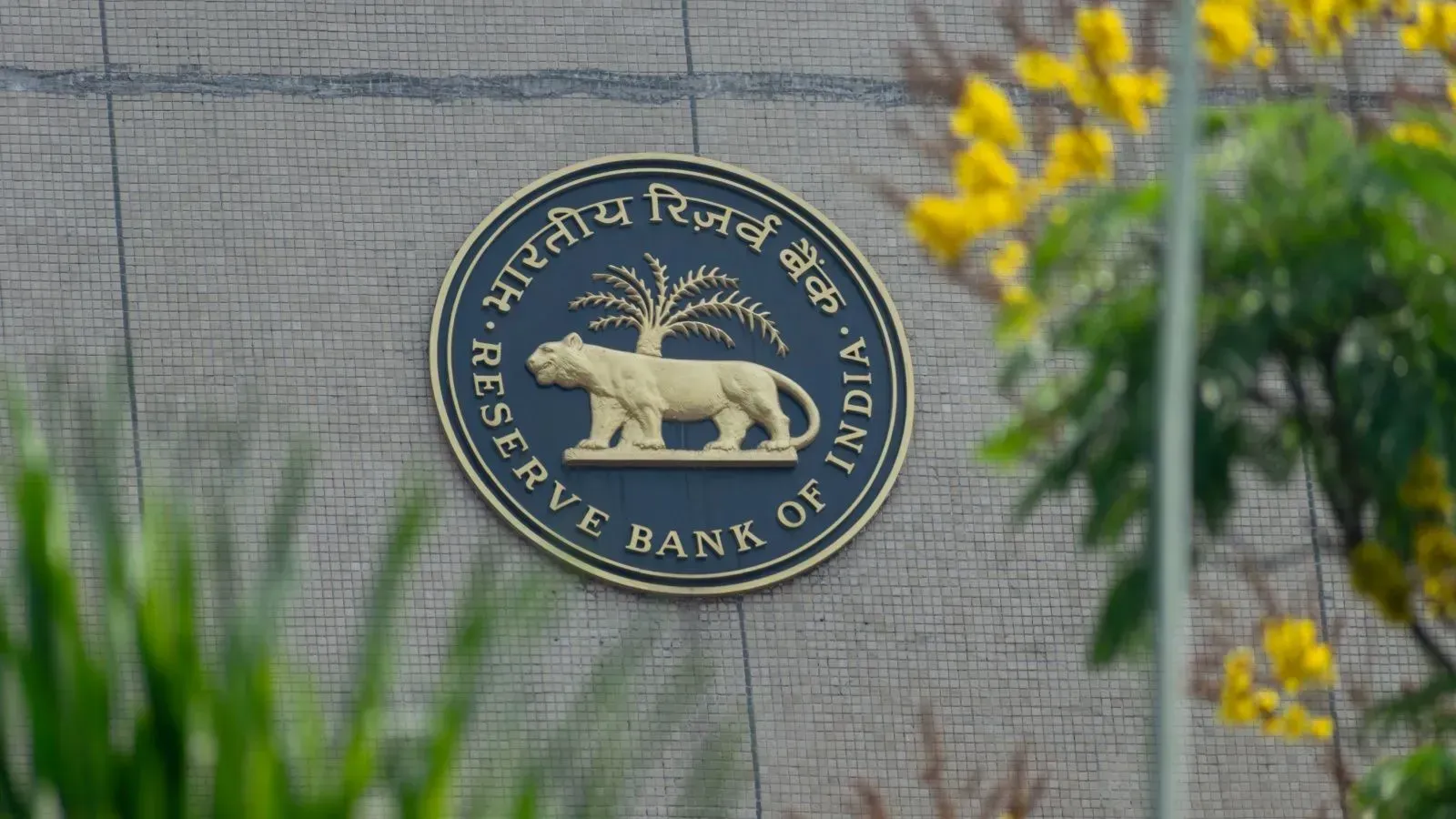
India’s current account deficit (CAD) moderated to 1.3% in Q2 FY26 from 2.2% of GDP in FY25 on account of robust services exports and strong remittances. | Image: Shutterstock
Led by Governor Sanjay Malhotra, the Reserve Bank of India’s Monetary Policy Committee (MPC) on Friday, December 5, unanimously voted to cut the repo rate by 25 basis points to 5.25%, with immediate effect.
With Friday’s reduction, the committee has now delivered a cumulative 125 basis points of rate cuts in the current fiscal year. Following its December 3–5 meeting, the MPC unanimously voted to cut the repo rate, citing easing inflation and the strong economic growth recorded in the second quarter of FY26.
Following the rate cut, the equity market also recovered from day's low. At 11 AM, the S&P BSE SENSEX was up 332.20 points, or 0.39%, to the 85,597.52 level, while NSE’s NIFTY50 was at the 26,128.85 level, rising 95.10 points, or 0.37%.
Here’s all you need to know from the December meeting
-
The MPC voted unanimously to reduce the policy repo rate under the liquidity adjustment facility (LAF) to 5.25%. Consequently, the standing deposit facility (SDF) rate stands adjusted to 5%, and the marginal standing facility (MSF) rate and the bank rate to 5.50%.
-
The MPC also decided to continue with the neutral stance.
-
The central bank’s real GDP growth for 2025-26 is projected at 7.3%, with Q3 at 7% and Q4 at 6.5%. Real GDP growth for Q1 FY27 is projected at 6.7% and Q2 at 6.8%.
-
RBI said the real gross domestic product (GDP) registered a six-quarter high growth of 8.2% in Q2 FY26, underpinned by resilient domestic demand amidst global trade and policy uncertainties. On the supply side, real gross value added (GVA) expanded by 8.1%, aided by buoyant industrial and services sectors.
-
Inflation is likely to be softer overall than what was projected in October by RBI, mainly on account of the fall in food prices. CPI inflation for 2025-26 is now projected at 2%, with Q3 at 0.6% and Q4 at 2.9%. CPI inflation for Q1 and Q2 of FY27 are projected at 3.9% and 4%, respectively.
-
In view of the evolving liquidity conditions and the outlook, the Reserve Bank has decided to conduct open market operations (OMO) purchases of government securities of ₹1 lakh crore and a three-year USD/INR buy-sell swap of $5 billion this month to inject durable liquidity into the system.
-
India’s current account deficit (CAD) moderated to 1.3% in Q2 FY26 from 2.2% of GDP in FY25 on account of robust services exports and strong remittances.
-
On the external financing side, gross foreign direct investment (FDI) to India increased at a robust pace during the first half of the year. As of November 28, 2025, India’s foreign exchange reserves stood at $686.2 billion, providing a robust import cover of more than 11 months.
-
System liquidity, as measured by the net position under the LAF, stood at an average surplus of ₹1.5 lakh crore for the period since the MPC last met in October 2025.
-
In the current financial year so far, the total flow of resources was ₹20.1 lakh crore vis-à-vis ₹16.5 lakh crore in the corresponding period of the previous year. Outstanding credit from bank and non-bank sources increased by 13% year-on-year.
“High-frequency indicators suggest that domestic economic activity is holding up in Q3, although there are some emerging signs of weakness in a few leading indicators. GST rationalisation and festival-related spending supported domestic demand during October-November,” the RBI said in a statement.
Looking ahead, the central bank expects domestic factors such as healthy agricultural prospects, the continued impact of GST rationalisation, benign inflation, healthy balance sheets of corporates and financial institutions and congenial monetary and financial conditions to continue to support economic activity.
Related News



About The Author
Next Story